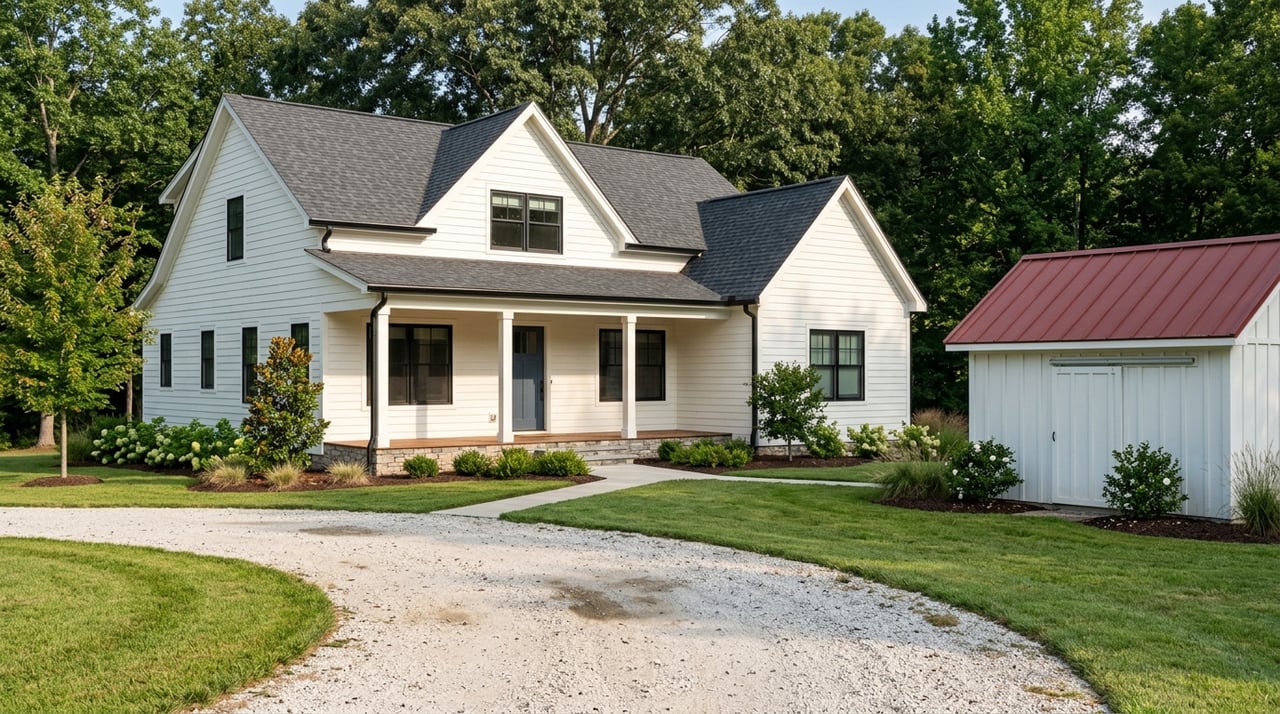
Dreaming about a few acres, a garden, maybe a barn, and enough space to breathe? Near Campobello, that dream is very real, but rural buying comes with different rules than buying in a typical neighborhood. If you want a mini-farm or rural home that fits your goals, you need to know how land, zoning, utilities, and due diligence work before you fall in love with a property. Let’s dive in.
Why Campobello attracts rural buyers
Campobello offers the kind of setting many buyers picture when they think about country living. The town describes itself as being in the Piedmont foothills and surrounded by orchards, which helps explain why land-focused properties appeal to so many buyers here. It is also located about three miles from I-26 exit 5, so you can enjoy a rural feel without giving up access.
This is not just a subdivision market. Current listings in the Campobello area range from smaller homes on less than an acre to much larger parcels, with examples around 0.41 acre, 1.35 acres, 14 acres, 15 acres, and more than 32 acres. Realtor.com also shows a median listing home price of $390,000, about 120 active homes for sale, and an average time on market of 48 days.
What counts as a mini-farm
A mini-farm is not always labeled that way in the market. In this area, a property might show up as a single-family home, land, or even a land and ranch listing rather than under a specific mini-farm category. That means you may need to search a little wider than you expect.
Public listing sites often surface rural-friendly features instead of using one standard label. You may see terms like big lot, fenced yard, fruit trees, pond, or horse stables. If you only search for one type of property description, you could miss a strong option.
Start with location boundaries
One of the biggest mistakes rural buyers make is assuming a Campobello mailing address tells the whole story. The Town of Campobello specifically says that having a Campobello mailing address does not necessarily mean the property is inside town limits. That distinction matters because town rules and county rules can be very different.
Before you move forward, confirm whether the property is actually inside the Town of Campobello or in unincorporated Spartanburg County. That one step affects zoning, utility expectations, and what you may be able to do with the land later. It is one of the first reality checks that can save you time and money.
Check zoning before planning animals
If your goal includes chickens, small livestock, a riding setup, or a roadside produce stand, zoning deserves early attention. Inside Campobello town limits, the zoning ordinance makes an important distinction between districts. Not every residential property allows the same uses.
R-A zoning supports agriculture
The town’s R-A Residential Agricultural district is designed for a full range of agricultural activities. It allows agricultural crops, barns, manufactured homes, riding stables, and roadside stands. It also sets a minimum lot size of 1 acre, a minimum lot width of 100 feet, and 40-foot front and rear yard requirements.
For buyers who want a true mini-farm setup, this is the district that lines up most closely with that vision. Still, you should verify the parcel’s current zoning and how the specific property fits those standards. A rural look does not automatically mean the zoning matches your intended use.
R-1 zoning has limits
Campobello’s R-1 district allows gardens and other non-commercial horticultural or agricultural activity. However, it explicitly excludes keeping poultry, livestock, or kennels. That means a home with open yard space may still not work for your mini-farm goals if it sits in R-1.
This is why buyers should avoid making assumptions based on appearance alone. A fenced yard, outbuilding, or larger lot does not guarantee that your intended use is allowed. The zoning district matters more than the marketing photos.
County properties follow different rules
Outside town limits, Spartanburg County does not use traditional parcel-by-parcel zoning the way a municipality does. Instead, development is governed through standards such as setbacks, bufferyards, landscaping, parking, and related regulations. Different county ordinances can apply in different parts of the county.
That can create both flexibility and complexity. If you are buying outside town, you still need to verify what can be built, how access works, and what approvals may be needed. Rural property often rewards careful planning.
Think ahead about future plans
A mini-farm purchase is not just about what the property is today. It is also about what you may want it to become later. If you hope to split off land, build another home, or add a second residential structure, ask those questions early.
Spartanburg County says road frontage requirements depend on road classification and whether right-of-way is dedicated. The county also states that second residential structures require prior approval before addresses or building permits can be issued. So if your long-term plan includes a family compound, rental setup, or future subdivision, those details need to be part of your due diligence.
Utilities matter more in rural purchases
Rural homes can have a very different utility setup than a typical in-town house. For town residents, Campobello lists Duke Energy, the Inman Campobello Water District, and Spartan Waste trash service, with trash service added to the annual tax bill. Outside town limits, service arrangements may differ.
This is why you should confirm each service rather than assume. Ask how the property gets power, water, waste service, and internet. For a rural buyer, utility clarity is part of understanding both lifestyle and monthly cost.
Septic can make or break a deal
For many rural properties, septic is one of the most important items to verify. South Carolina requires site approval and a permit for all septic systems. If a property is not served by public or community sewer, Spartanburg County will not issue a building permit until SCDES approval is in place.
SCDES says the application fee is $150, and for sites above the Fall Line, backhoe pits are required for soil evaluation. If you are buying vacant land or considering adding a home site later, this is not a minor detail. Septic suitability can be the difference between a usable parcel and a costly disappointment.
Private wells need ongoing care
If a rural property uses a private well, water quality becomes part of homeownership. SCDES says private well owners are responsible for their water quality. EPA recommends annual testing for total coliform bacteria, nitrates, total dissolved solids, and pH.
EPA also notes that nearby intensive agriculture can be a reason to test for nitrates, pesticides, and coliform bacteria. For buyers near orchards or other agricultural activity, that is a practical point to keep in mind. Annual testing is a normal ownership task, not a red flag.
Floodplain review is worth your time
A beautiful piece of land can still carry flood risk. Spartanburg County says FEMA maps identify Special Flood Hazard Areas, and buyers can check parcel status through county engineering or FEMA flood maps. The county also notes that a structure in a Special Flood Hazard Area has a 26 percent chance of flood damage during a 30-year mortgage.
In some cases, a property above the Base Flood Elevation may qualify for a Letter of Map Amendment. The key point is simple: do not skip floodplain review just because a property feels rural or elevated in spots. Land shape, creek areas, and building locations all matter.
Verify acreage with more than one source
When you buy acreage, paperwork matters. Spartanburg County GIS maintains digital parcel maps, road centerlines, addresses, and property information, but the assessor also warns that tax records may lag behind recorded deeds and are not guaranteed to be current. In other words, one record source alone is not enough.
A smart rural buyer compares the deed, survey, and GIS information before moving forward. If the marketed acreage, deed description, or tax record does not line up, that should be clarified during due diligence. Those are exactly the kinds of details that can affect value and future use.
Budget for more than the mortgage
Rural ownership often comes with extra responsibilities beyond the monthly payment. General homeownership guidance commonly uses a maintenance and repair rule of thumb of 1 percent to 4 percent of home value per year. On a rural property, that baseline should be paired with the practical cost of well testing, septic maintenance, and site upkeep.
SCDES says routine septic maintenance helps prevent costly repairs and protects water quality. EPA recommends annual well testing and prompt retesting after flooding, land disturbance, well-system repair, or any noticeable change in water quality. The takeaway is not that rural ownership is risky. It is that a smart budget should reflect the systems that come with the lifestyle.
How to shop smarter near Campobello
The best rural buyers stay flexible and ask better questions early. Because mini-farm properties may be listed under different property types, your search should include homes with acreage, land listings, and properties with rural features rather than relying on one label. Broader search criteria can reveal better matches.
It also helps to create a short must-have list before touring. Focus on the items that are hard to change later, such as usable acreage, zoning fit, utility setup, septic viability, flood status, and road frontage. Cosmetic features are much easier to solve than land-use limitations.
Where a local agent adds value
With rural property, the goal is not just finding land that looks right. The goal is finding land that works for the way you want to live. In the Campobello area, that often means sorting through town-limit questions, zoning rules, utility details, deed and survey issues, floodplain review, and approval requirements before you get too far down the road.
That is where local, practical guidance matters. A strong buyer’s agent helps you protect the rural lifestyle you want while reducing the odds of a surprise after closing. The process should feel clear and grounded, not overwhelming.
If you are thinking about buying a mini-farm or rural home near Campobello, working with someone who understands Spartanburg County land, local listing patterns, and the real questions to ask can make the search much smoother. When you are ready to talk through acreage, zoning, or the right next step, connect with Michael Dassel.
FAQs
What should you verify first when buying near Campobello?
- Confirm whether the property is actually inside the Town of Campobello or simply has a Campobello mailing address, because that affects zoning, utilities, and land-use rules.
Can you keep chickens or livestock on a Campobello property?
- It depends on the location and zoning. Inside town limits, Campobello’s R-1 district excludes poultry and livestock, while the R-A district is intended for agricultural activity.
How are mini-farm properties listed near Campobello?
- They may appear as single-family homes, land, or land and ranch listings, and public search filters may highlight features like big lots, fenced yards, ponds, fruit trees, or horse stables.
What septic rules apply to rural land in Spartanburg County?
- South Carolina requires site approval and a permit for septic systems, and if there is no public or community sewer, a building permit cannot be issued until SCDES approval is in place.
Why does floodplain status matter for Campobello-area acreage?
- Spartanburg County says FEMA flood maps identify Special Flood Hazard Areas, and flood status can affect building plans, insurance needs, and long-term risk.
What records should you review for acreage near Campobello?
- Compare the deed, survey, and GIS information, because Spartanburg County notes that assessor records may lag behind recorded deeds and may not always be current.
What extra costs come with rural homeownership near Campobello?
- Beyond regular home maintenance, you should plan for septic maintenance, private well testing, and other site-related upkeep that often comes with rural property.