If your home hits the market looking like every other listing, buyers have no reason to move fast. In Greenville, that matters more than ever because buyers have options, inventory is up, and homes are taking longer to sell than they did in a hotter market. The good news is that you can still stand out with the right strategy. When you combine smart pricing, focused prep, strong visuals, and a clean launch plan, your home has a much better chance to attract serious attention. Let’s dive in.
Why standing out matters in Greenville
Greenville is not a market where you can count on any listing to sell quickly just because it is available. As of April 2026, the city had about 1,800 homes for sale, a median listing price of $385,000, median days on market of 49, and homes selling at about 98% of asking price. Realtor.com classifies Greenville as a balanced market.
The broader Greater Greenville Association of REALTORS® MLS report shows a similar pattern. New listings were up 16.0% year over year, inventory was up 21.6%, months supply reached 4.0, and median days on market rose to 57. That means sellers are still getting solid results, but buyers have enough choice to be selective.
For you, the takeaway is simple. A home that is priced right, well prepared, and launched well can still perform strongly. A home that starts high or looks unfinished can lose momentum before the right buyer ever books a showing.
Price for your neighborhood
One of the biggest mistakes sellers make is using citywide numbers as if every part of Greenville moves the same way. They do not. Neighborhood pricing can vary sharply, with reported prices ranging from about $309,937 on the Eastside to around $1.01 million in the Augusta Street Area.
That is why pricing needs to be hyper-local. The best list price comes from recent nearby sales, your home’s condition, updates, lot characteristics, and the likely buyer pool for your property. Your asking price should reflect what buyers are actually choosing in your area, not just what you hope to get.
In a balanced market, overpricing is risky. With homes selling around 98% of asking price and market time stretching longer, buyers have room to compare and wait. If your home enters the market too high, it may sit while newer and better-positioned listings pull attention away.
How to think about pricing
A practical pricing strategy usually looks at:
- Recent comparable sales in your immediate area
- Active competition buyers will see at the same time
- Your home’s updates, condition, and layout
- Lot, street, and location factors
- The price range where your likely buyers are shopping
Aspirational pricing can feel tempting, especially if you have invested in the home. But in Greenville’s current market, accurate pricing is often what creates leverage, not just a higher starting number.
Focus on prep that buyers notice
You do not need to turn your home into a magazine spread to make it more competitive. In many cases, the most effective prep work is also the most practical. According to the National Association of Realtors’ 2025 staging research, the most common seller recommendations are decluttering, entire-home cleaning, and improving curb appeal.
Those recommendations make sense because they address what buyers notice first. Clutter makes rooms feel smaller. Dirt and deferred maintenance make buyers wonder what else has been overlooked. Weak curb appeal can lower interest before a buyer even walks through the front door.
Best pre-listing fixes to prioritize
If you want to spend wisely, start with the basics that improve presentation and reduce distractions:
- Declutter surfaces, closets, and storage areas
- Deep clean the entire home
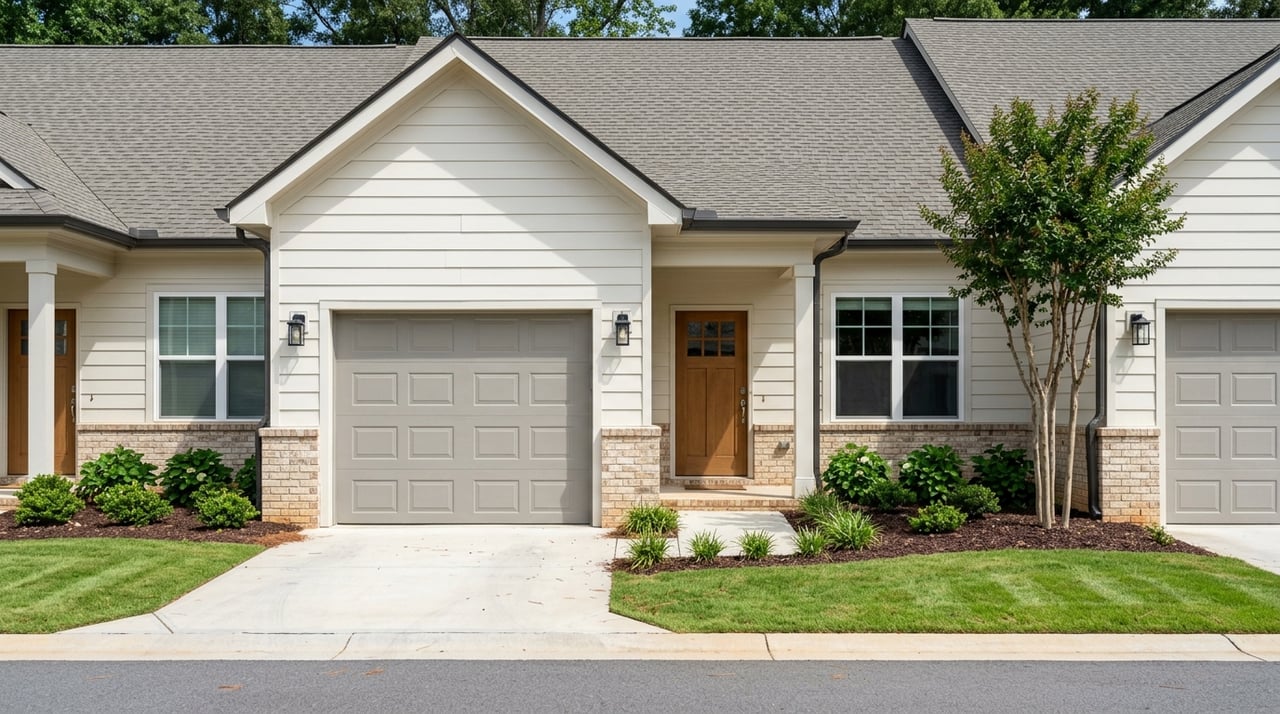
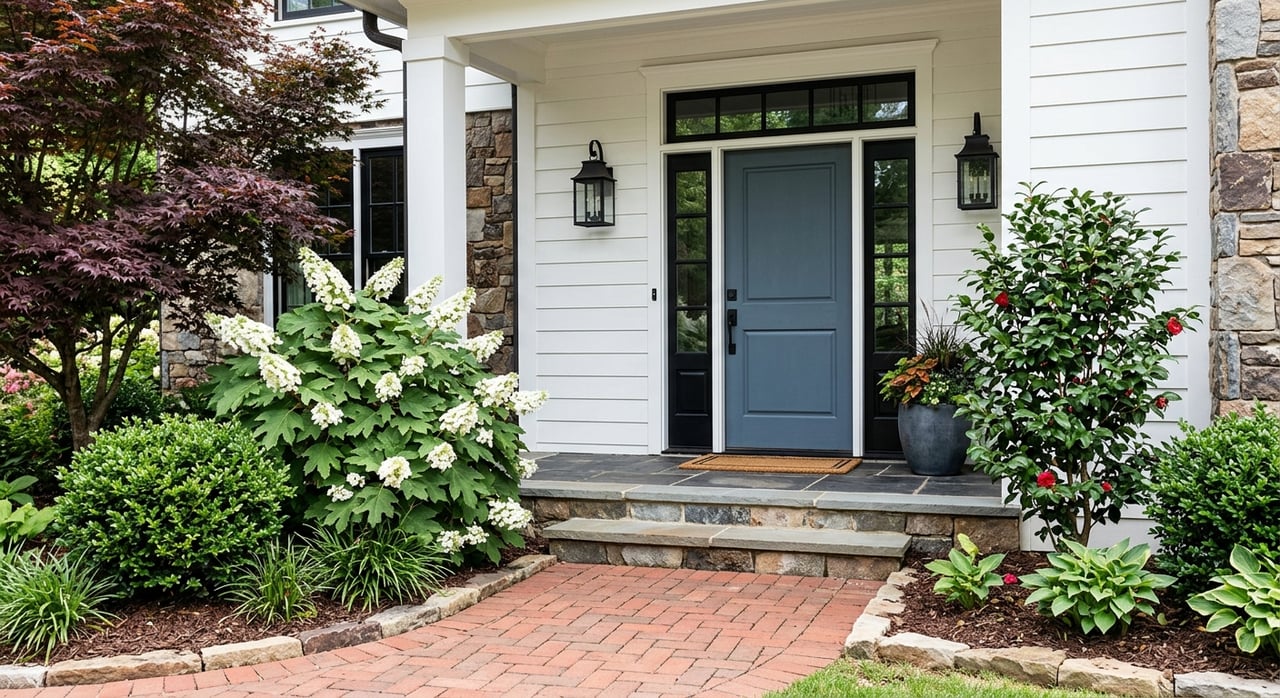
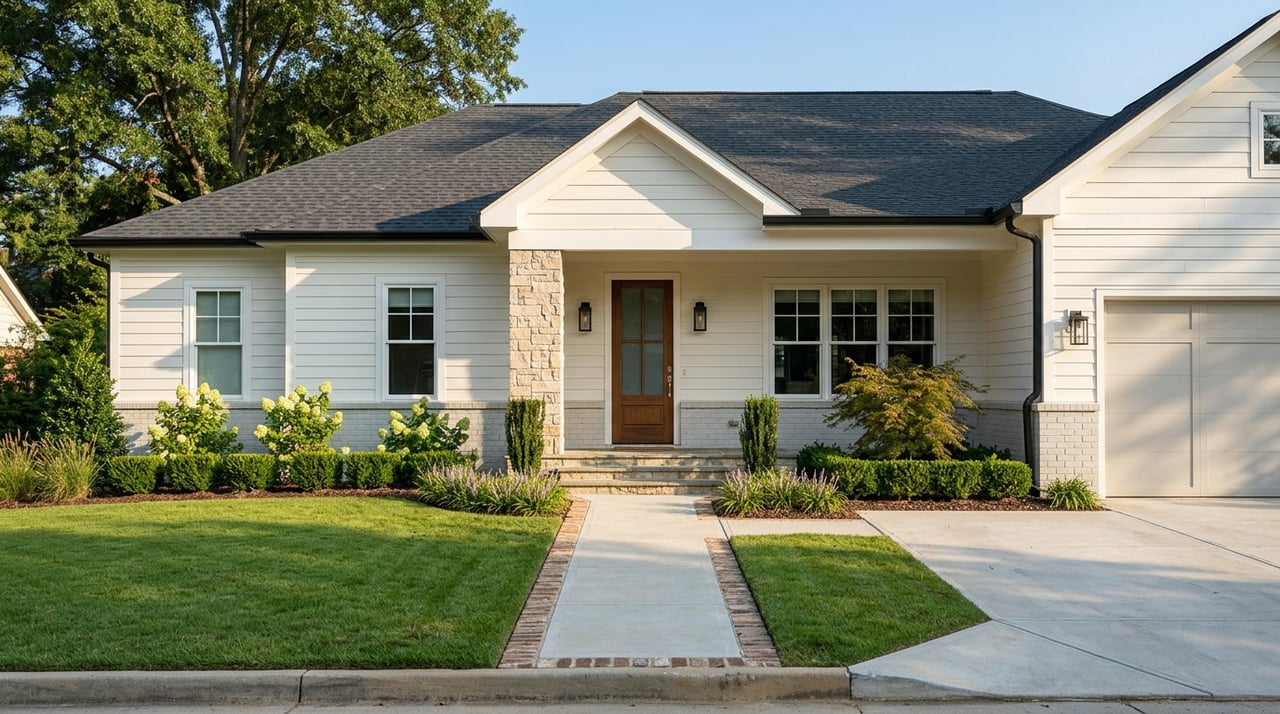
- Freshen landscaping and tidy the entry
- Touch up paint where marks or scuffs stand out
- Fix obvious small issues like loose hardware, dripping faucets, or burned-out bulbs
- Remove personal items that pull attention away from the space
These steps help buyers focus on the home itself. They also improve how the property shows in photos, which is just as important as the in-person experience.
Think of staging as a spectrum
Many occupied homes in Greenville do not need full staging to compete well. The same 2025 staging research found that 51% of sellers’ agents do not fully stage every listing and instead recommend decluttering or fixing property faults. That supports a more flexible approach.
In other words, partial staging is often enough. If you already live in the home, the goal is not to erase real life completely. The goal is to make each room feel clean, open, and easy for buyers to understand.
The research also found that the living room is the most important room to stage, followed by the primary bedroom and kitchen. Those are smart places to focus if you want the biggest impact without overdoing the budget.
Rooms to prioritize first
If time or money is limited, start here:
- Living room for first impressions and main gathering space
- Primary bedroom for comfort and scale
- Kitchen for cleanliness and function
- Dining room if it helps define the layout clearly
This targeted approach can be especially useful if your home is already furnished. You may only need lighter furniture editing, cleaner styling, and better flow rather than a complete redesign.
Professional photos are worth it
Most buyers will see your home online before they ever decide to visit. That first impression carries real weight. NAR reports that 81% of buyers rated listing photos as the most useful feature in their online home search.
That is why professional photography is not just a nice extra. It is a core part of your listing strategy. Clear, bright, accurate images help your home stand out in search results and encourage buyers to click, save, and schedule a showing.
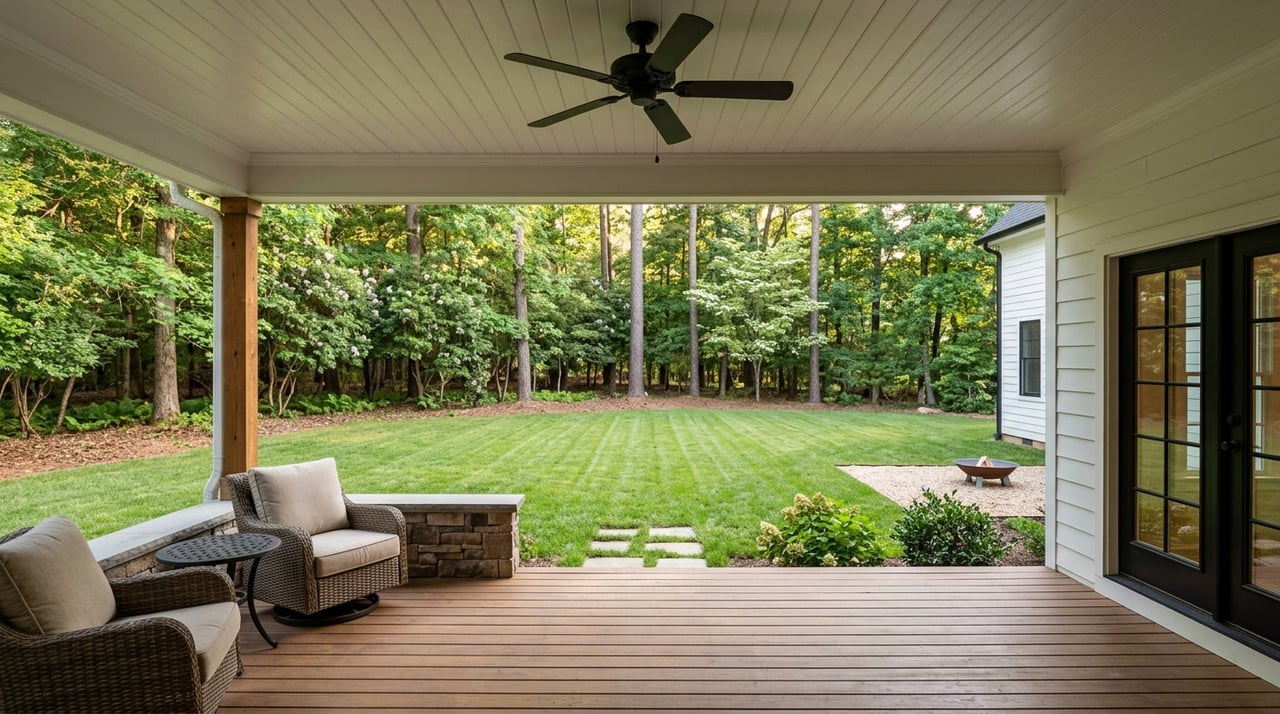
Simple photo prep can make a big difference. Open blinds for natural light, remove refrigerator magnets, take down distracting art, and pare down furniture so rooms feel larger and cleaner on camera. Those small choices help photos read better online.
What strong visuals can include
Depending on the property, strong visual marketing may include:
- Professional listing photos
- Video walkthroughs
- Virtual tours
- Clean exterior shots with strong daylight
- Interior images that show layout and natural flow
NAR’s 2025 staging profile found that 49% of sellers’ agents saw staging reduce time on market, and 29% said it increased the dollar value offered by 1% to 10%. While results vary by home and market, better presentation clearly supports stronger buyer response.
Your listing needs a launch plan
A successful listing launch is more than putting your home online and hoping buyers find it. It works best when pricing, visuals, and distribution all come together at the same time. Early traction matters.
NAR reports that 52% of buyers found the home they purchased online, and nearly half said their search started there. It also notes that views, saves, and shares in the first few days after launch can shape whether a listing gains traction.
That is why your home needs a launch plan, not just a posting date. If the listing goes live before the photos, pricing, or prep are ready, you may waste the strongest attention window your property gets.
What a stronger launch looks like
A stronger launch often includes:
- Final pricing based on current local comps
- Completed cleaning, decluttering, and touch-ups
- Professional photos and other visuals ready to go
- MLS entry with accurate, complete listing details
- Distribution through syndication where available
- Early promotion designed to drive initial attention
The MLS plays a key role because it is the shared local listing system real estate professionals use to match buyers and sellers. NAR also notes that many MLSs distribute listings to third-party aggregators through syndication unless the broker withholds consent. That broader exposure can help your home reach more buyers beyond the local MLS audience.
For sellers, the practical takeaway is this: you want your listing to show up well everywhere buyers are looking, right from day one.
Presentation and disclosure are separate
One important point often gets missed during pre-listing prep. A polished home and a compliant sale are not the same thing. Great staging can improve presentation, but it does not replace legal disclosure requirements.
South Carolina’s Residential Property Condition Disclosure Act requires owners of most residential properties with one to four dwelling units to provide a written disclosure statement before a real estate contract is signed, unless a statutory exemption applies. If you later discover a material inaccuracy, you must promptly correct it.
The law also allows as-is agreements, but that does not remove disclosure duties. Buyers still have their own obligation to inspect the property. For homes built before 1978, sellers of most properties must also disclose known lead-based paint and hazard information and provide the required lead information before sale or lease.
Disclosure basics to keep in mind
Before listing, be ready to address:
- The South Carolina residential property disclosure form, when required
- Prompt correction of any material inaccuracy discovered later
- Lead-based paint disclosure requirements for most pre-1978 homes
- The difference between cosmetic prep and condition reporting
This part of the process is not about scaring buyers. It is about handling the sale clearly and responsibly from the start.
The sellers who stand out are strategic
In Greenville, standing out does not usually come from one dramatic move. It comes from a series of smart decisions that work together. Accurate pricing, focused prep, professional presentation, broad digital exposure, and a clean launch can all help your home compete more effectively.
That approach fits today’s market. Buyers have enough choice to pass on homes that feel overpriced, underprepared, or poorly marketed. But when your home is positioned well from the beginning, you give yourself a better chance at strong interest and a smoother path to closing.
If you want a practical, data-driven plan for your sale in Greenville or the surrounding Upstate, Michael Dassel can help you price, prepare, and market your home for the attention it deserves.
FAQs
How should I price my Greenville home if my neighborhood is different from the city average?
- Use recent nearby sales, active competition, condition, updates, lot factors, and likely buyer demand in your specific area. Greenville neighborhood pricing can vary widely, so city averages are best used as background, not as your final pricing guide.
Which pre-list repairs usually give the best return for Greenville sellers?
- The most practical pre-listing work is often decluttering, deep cleaning, curb appeal improvements, touch-up paint, and fixing obvious small issues that distract buyers during showings and in photos.
Is partial staging enough for an occupied Greenville home?
- Yes. Partial staging or strategic editing is often enough, especially in occupied homes. The goal is to make key rooms like the living room, primary bedroom, and kitchen feel clean, open, and easy to understand.
Are professional photos and video worth the cost when selling in Greenville?
- In many cases, yes. Most buyers begin online, and listing photos are one of the most useful parts of their search. Strong visuals can help your home attract more clicks, saves, and showings.
How does MLS syndication help a Greenville home sale?
- The MLS is the local listing system used by real estate professionals, and many MLSs also distribute listings to third-party sites through syndication. That can expand your home’s visibility beyond the local MLS audience.
Which disclosure forms are mandatory for South Carolina home sellers?
- Owners of most one-to-four-unit residential properties must provide the South Carolina property condition disclosure before a contract is signed, unless an exemption applies. Sellers of most pre-1978 homes must also provide lead-based paint disclosures if required.