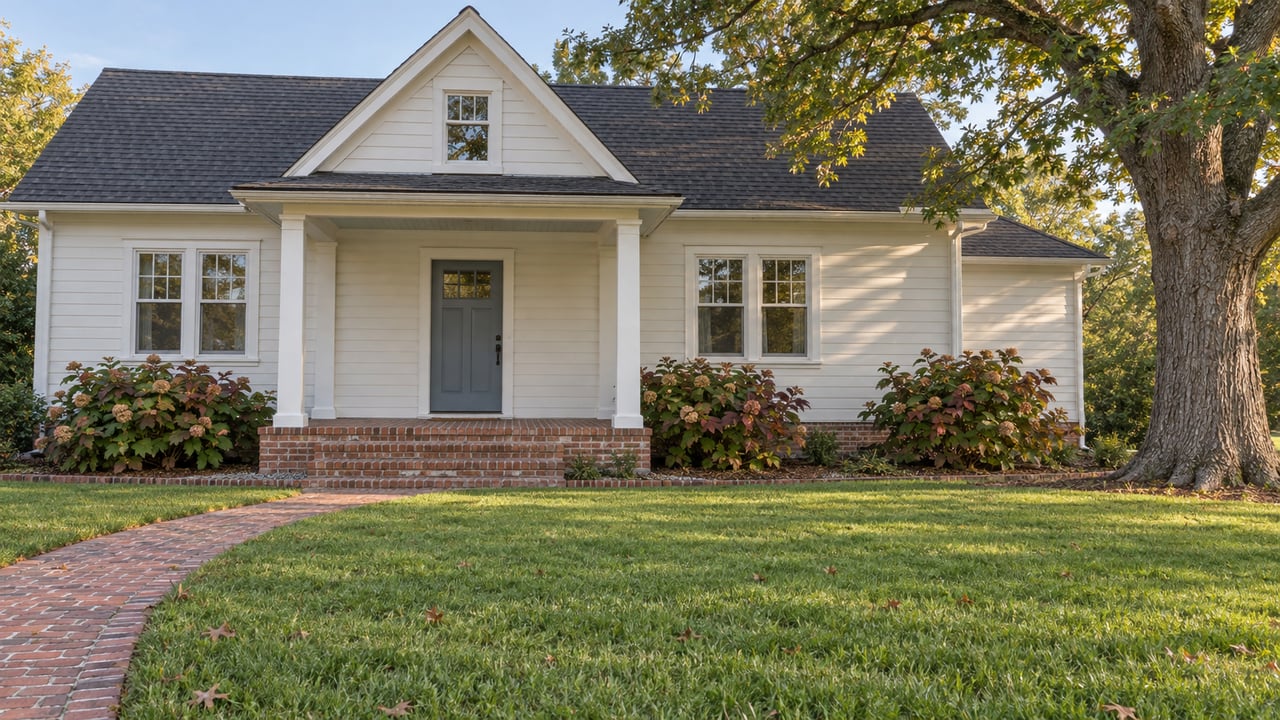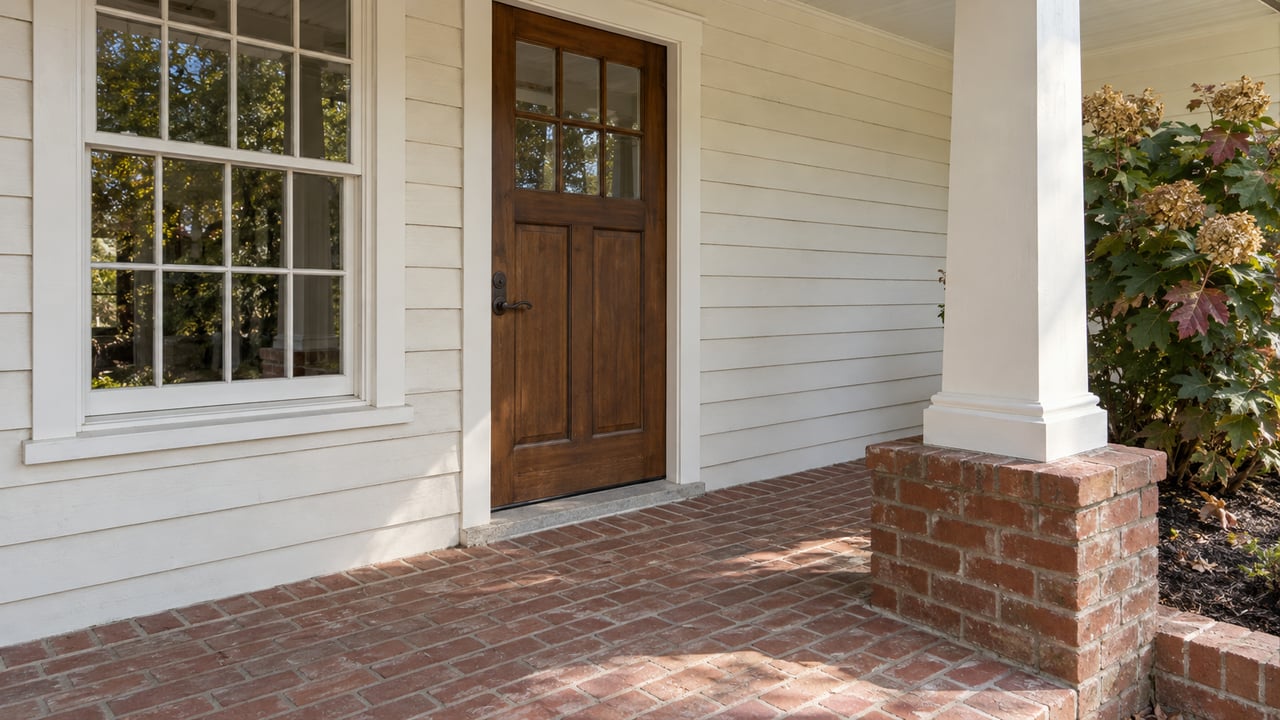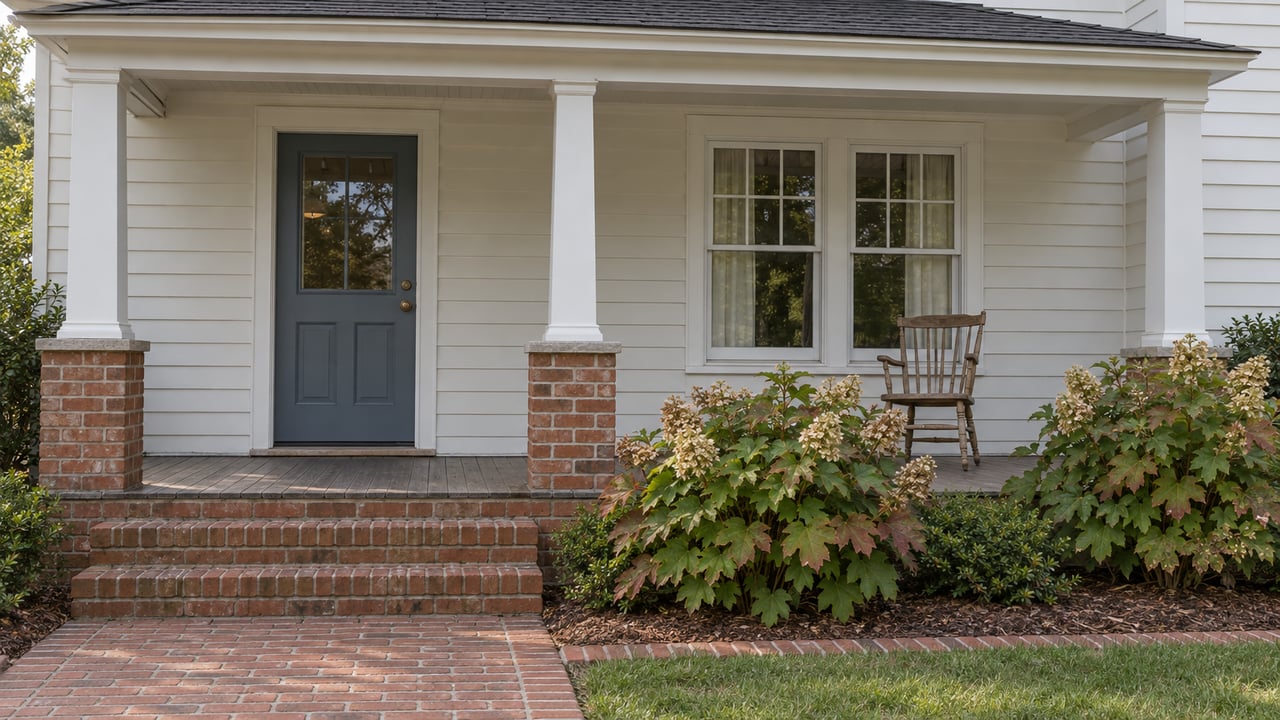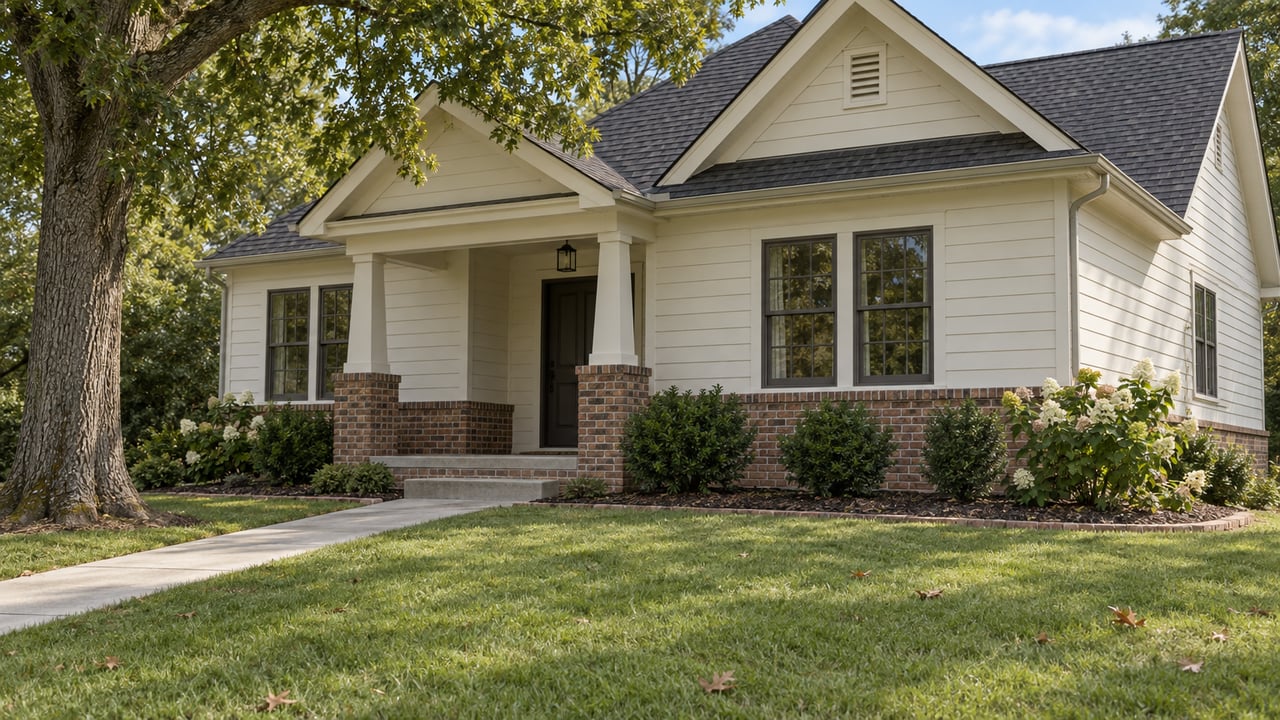
Trying to decide between Boiling Springs and Inman for your next move? You want space, a smooth commute, and a neighborhood that fits your family’s routine. This guide gives you a clear, side‑by‑side look at housing, commutes, schools, amenities, and lifestyle so you can focus your home search with confidence. By the end, you’ll have a simple decision checklist and a smart plan for touring each area. Let’s dive in.
Boiling Springs vs Inman at a glance
Community character
- Boiling Springs feels suburban with larger master‑planned neighborhoods, newer construction, and a central shopping corridor. You’ll see more big‑box retail and everyday services close by.
- Inman has a small‑town, historic‑downtown vibe. You’ll find older homes near the core, local shops along Main Street, and a slower pace with strong community roots.
Who typically chooses each
- Boiling Springs often attracts families who want newer homes, larger lots, and quick access to Spartanburg‑area schools and shopping.
- Inman draws buyers who want affordability, character homes, and lower‑density living with a walkable small‑town center.
Housing and neighborhoods
What you’ll find in Boiling Springs
- Predominantly single‑family homes in subdivisions built from the 1990s through the 2010s, plus ongoing new construction on the edges.
- Some townhomes and planned communities with sidewalks, pocket parks, and neighborhood amenities.
- Inventory often leans move‑in ready, which can shorten your prep timeline if you are selling and buying at once.
What you’ll find in Inman
- A mix of older single‑family homes, including craftsman and turn‑of‑the‑century styles near downtown, plus small ranches and infill builds.
- Smaller subdivisions on the town’s edges, with fewer large master‑planned communities inside town limits.
- Older homes may offer value and charm, though updates can be part of the plan.
Price tiers to expect
- Entry move‑up (3 bed, 2 bath): Inman often trends more affordable for similar square footage, especially for older homes near downtown. Boiling Springs may price higher for newer construction and larger lots.
- Mid‑tier family homes (4+ beds, roughly 2,000 to 3,000 square feet): You’ll see more 2000s‑era homes and new builds in Boiling Springs. In Inman, options may include updated older homes or newer homes in smaller communities.
- Upper tier and acreage: New construction with upgrades is more common in Boiling Springs. Inman may offer acreage or character properties at competitive prices, depending on location and condition.
Inventory and days on market
- Boiling Springs typically carries a larger share of newer inventory, which can hold mid‑to‑upper price tiers.
- Inman’s affordability and limited in‑town new construction can support steady demand in certain segments.
- Market balance shifts through the year. Ask for a 12‑month view of median sale price, price per square foot, and days on market before you write your offer.
Commute and transportation
Drive times and highway access
- Boiling Springs to Spartanburg downtown: about 10 to 15 minutes in normal traffic.
- Inman to Spartanburg downtown: about 20 to 30 minutes in normal traffic.
- Both areas to Greenville city center: about 25 to 35 minutes, depending on route and time of day.
- Both areas to GSP Airport: roughly 20 to 30 minutes.
Main routes connect quickly to regional highways, which is helpful if you work in Spartanburg manufacturing, Greenville employment centers, or near the airport. Peak‑hour congestion can add time, so test your exact route during commute windows.
Transit reality
- Driving is the dominant way people get to work in Spartanburg County. Local transit options are limited, and most residents rely on private vehicles.
Schools and family services
Districts and school boundaries
- School assignments vary by neighborhood. Boundaries can shift, and different schools within the same district can show different performance levels.
- Before you buy, verify current school zoning through the Spartanburg County school district sites. Review the South Carolina Department of Education report cards for objective performance data.
Health care and family support
- Boiling Springs typically offers closer access to larger medical centers, urgent care, banking, fitness, and a public library branch.
- Inman residents often use local clinics and then drive to Spartanburg or Gaffney for certain specialty services.
Everyday amenities and errands
Boiling Springs convenience
- Higher density of grocery stores, national chains, restaurants, and services in consolidated shopping areas.
- Weekly errands may mean shorter drives. Many neighborhoods sit minutes from essentials like groceries, gas, child care, and youth sports.
Inman small‑town core
- A quieter main street with local eateries, shops, and community events.
- For big‑box or specialty retail, you will likely drive to Boiling Springs, Spartanburg, or Greenville.
Outdoor recreation and lifestyle
- Croft State Park near Spartanburg offers hiking, mountain biking, equestrian trails, camping, and water access. It is a popular nearby destination for both Boiling Springs and Inman residents.
- County parks provide playgrounds, sports fields, and community programs. Boiling Springs often has more suburban park infrastructure, while Inman offers smaller community spaces.
- Both areas sit in the Upstate’s foothills, so day trips to the Blue Ridge are within easy reach.
Resale and investment outlook
Strengths by area
- Boiling Springs: Newer construction, larger‑lot suburban homes, and proximity to retail and schools tend to support broad family demand.
- Inman: Affordability and small‑town charm appeal to buyers seeking value and character. Limited in‑town new inventory can help certain segments hold steady.
Risks and tradeoffs
- Both markets are influenced by regional job growth and inventory shifts. Manufacturing and distribution trends around Greenville‑Spartanburg can impact demand.
- Renovation vs new build: Inman’s older homes may need updates, which can unlock value if you plan improvements. Boiling Springs offers more move‑in‑ready options and new construction, usually at higher price points.
Simple decision framework
Use this checklist to clarify your best fit.
- Budget and payment comfort: Define your top purchase price and monthly payment, including taxes, insurance, and any HOA.
- Space and layout: Bedrooms, home office needs, garage size, and yard use. Consider proximity to parks and sports fields.
- School priorities: Identify programs and activities that matter most. Verify the exact school zone for each home on your list.
- Commute tolerance: Pick your top two work destinations and set a target single‑trip time. Drive the routes during peak periods.
- Lifestyle fit: Choose suburban convenience with big‑box access in Boiling Springs or small‑town character and local businesses in Inman.
- Resale outlook: Ask about neighborhood turnover, nearby new construction, and comparable sales from the last 6 to 12 months.
How to tour like a pro
Plan smart tours with a local expert and use this on‑the‑ground checklist.
- Visit twice: Once on a weekday morning to test the school drop‑off and commute, and once on an evening or weekend to gauge noise and activity.
- Drive times: Test the routes to your top 2 to 3 destinations during peak hours.
- Streetscape and safety cues: Look for sidewalks, street lighting, and the condition of nearby homes.
- Schools: Time the drop‑off route and ask about bus stops and traffic patterns.
- Weekly errands: Map grocery, pharmacy, and gas. Check drive times at busy hours.
- Connectivity: Test cell service and confirm internet providers if remote work matters.
- Property details: Ask about floodplain, HOA rules, and upcoming developments or road projects.
- Market context: Request recent comparable sales, property tax details, and utility providers before you consider an offer.
Bottom line
If you want newer construction, neighborhood amenities, and one‑stop shopping, Boiling Springs likely fits your day‑to‑day routine. If you value small‑town charm, walkable local businesses, and potential affordability in character homes, Inman can be a great match. Visit both, drive your real routes, and focus on the neighborhoods that align with your budget, school goals, and lifestyle.
Ready to compare on the ground, or want a data‑driven pricing view of your current home before you move? Connect with Michael Dassel for a neighborhood‑level strategy, on‑market comps, and a clear path to your next home in Spartanburg County.
FAQs
Is Boiling Springs or Inman more affordable for move‑up buyers?
- Inman generally trends more affordable for comparable square footage, especially for older homes near downtown, while Boiling Springs often prices higher for newer builds and larger lots. Verify with current 12‑month sales data.
How long is the commute from Inman or Boiling Springs to Spartanburg?
- Plan about 10 to 15 minutes from Boiling Springs and 20 to 30 minutes from Inman in normal traffic. Test your exact route during peak periods to confirm.
Does ZIP code 29349 cover all of Inman?
- Many homes marketed as Inman use 29349, but municipal lines and school zones do not always match ZIP boundaries. Confirm with district maps and county GIS before you buy.
What are schools like in Boiling Springs and Inman?
- School performance varies by campus within each district. Review South Carolina Department of Education report cards and confirm current zoning for any address you consider.
Where do residents go for outdoor activities near 29349?
- Croft State Park offers hiking, biking, equestrian trails, and camping, and both areas have access to county parks and Blue Ridge day trips.
How competitive is the market right now in Boiling Springs and Inman?
- Conditions shift by price point and season. Ask for a 12‑month look at median sale price, price per square foot, inventory, and days on market for the neighborhoods on your short list.